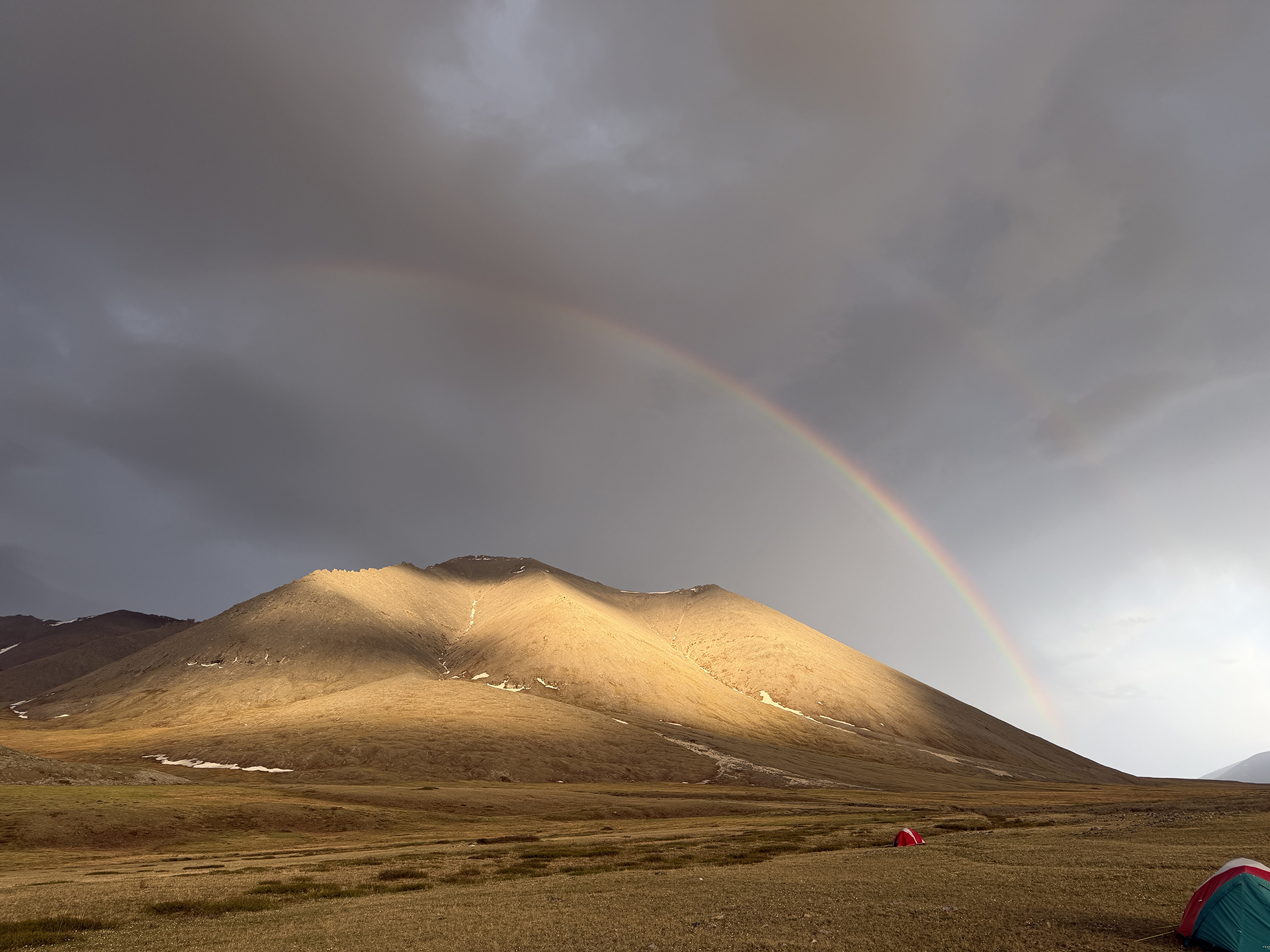
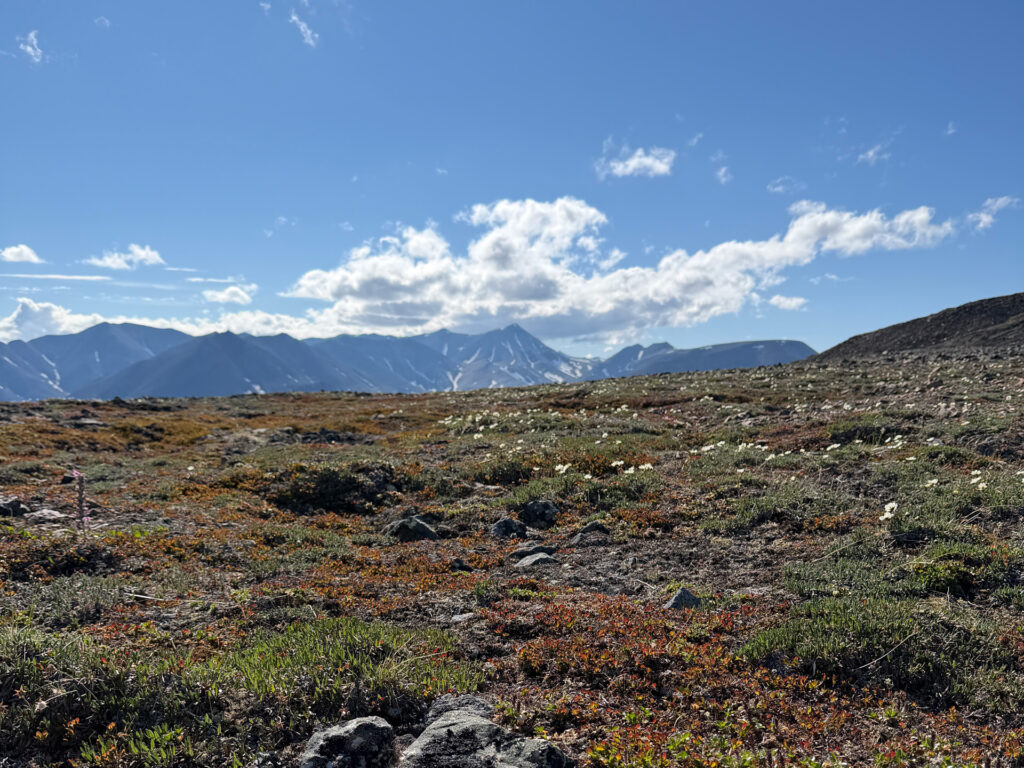
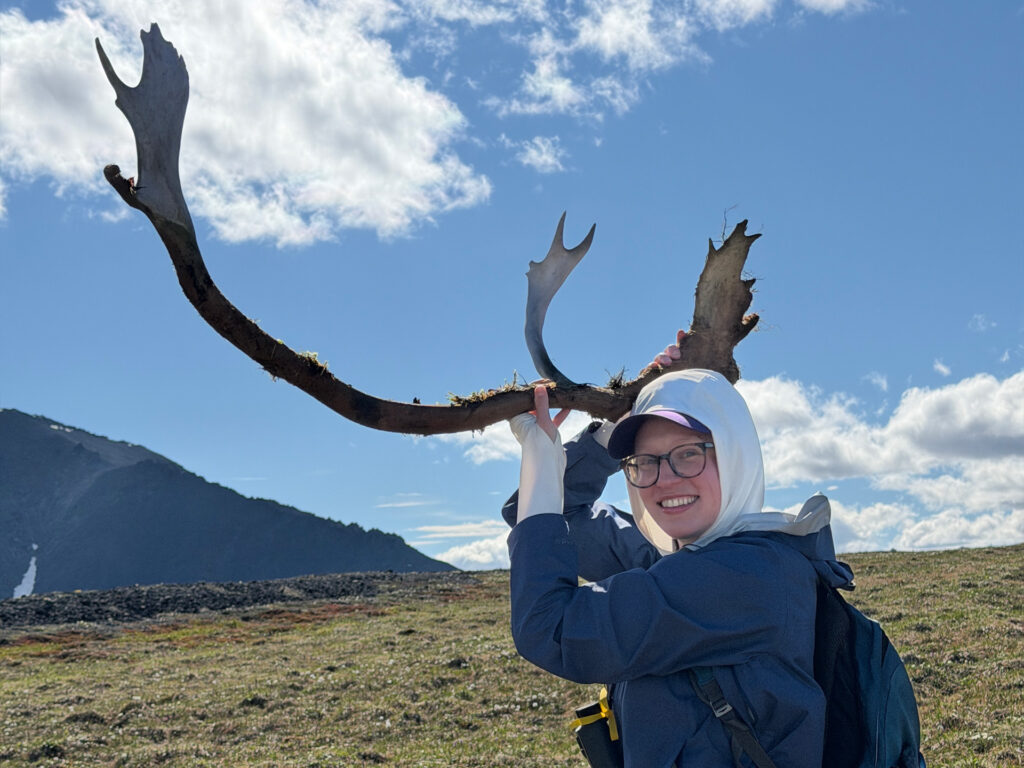
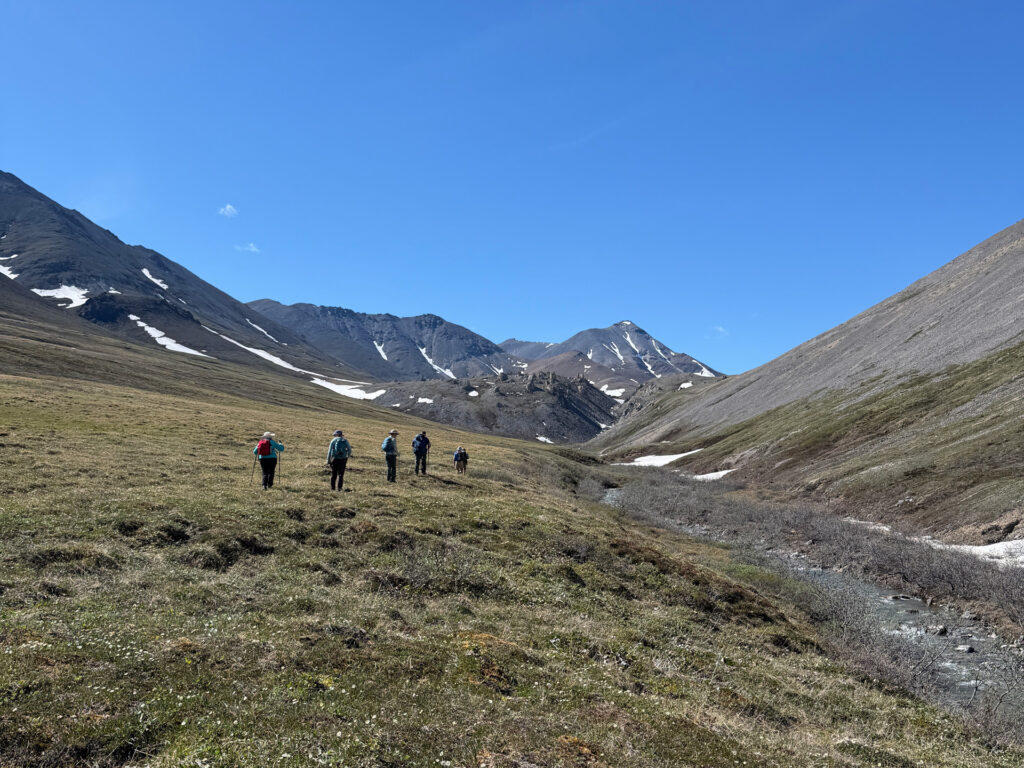
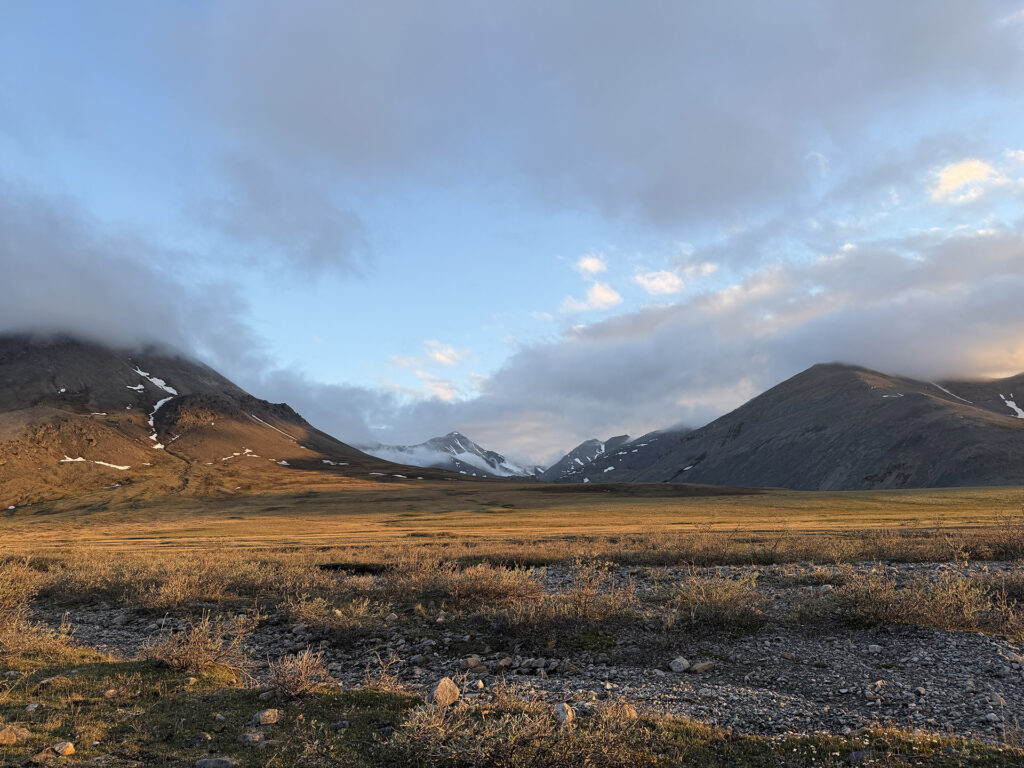
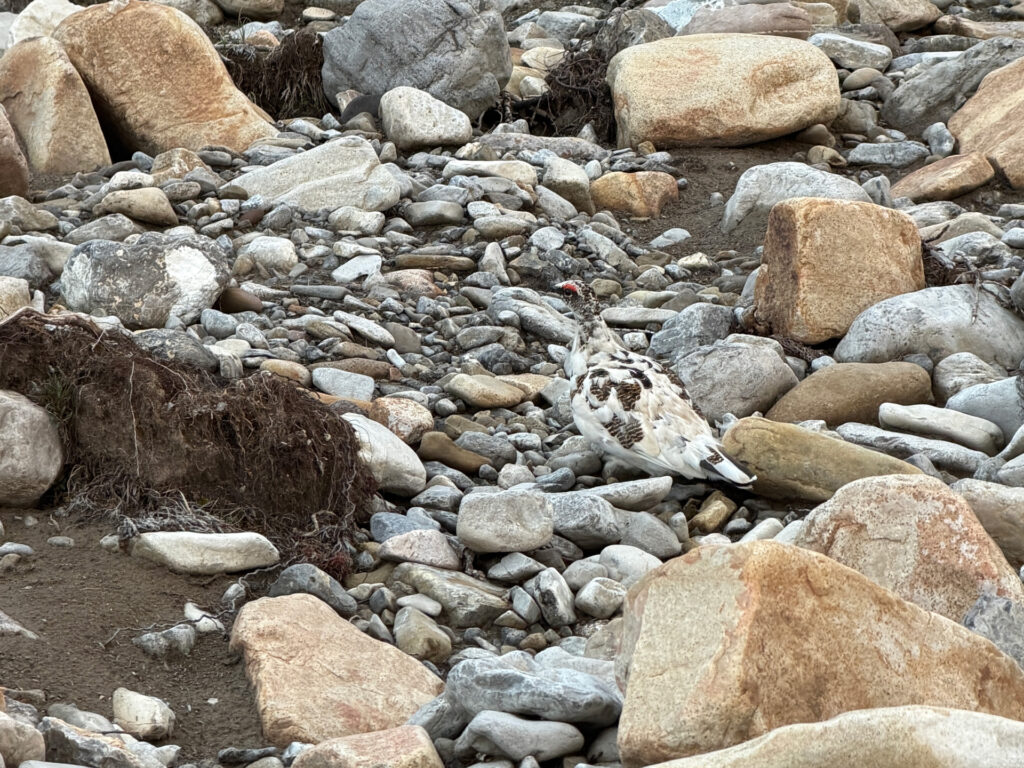
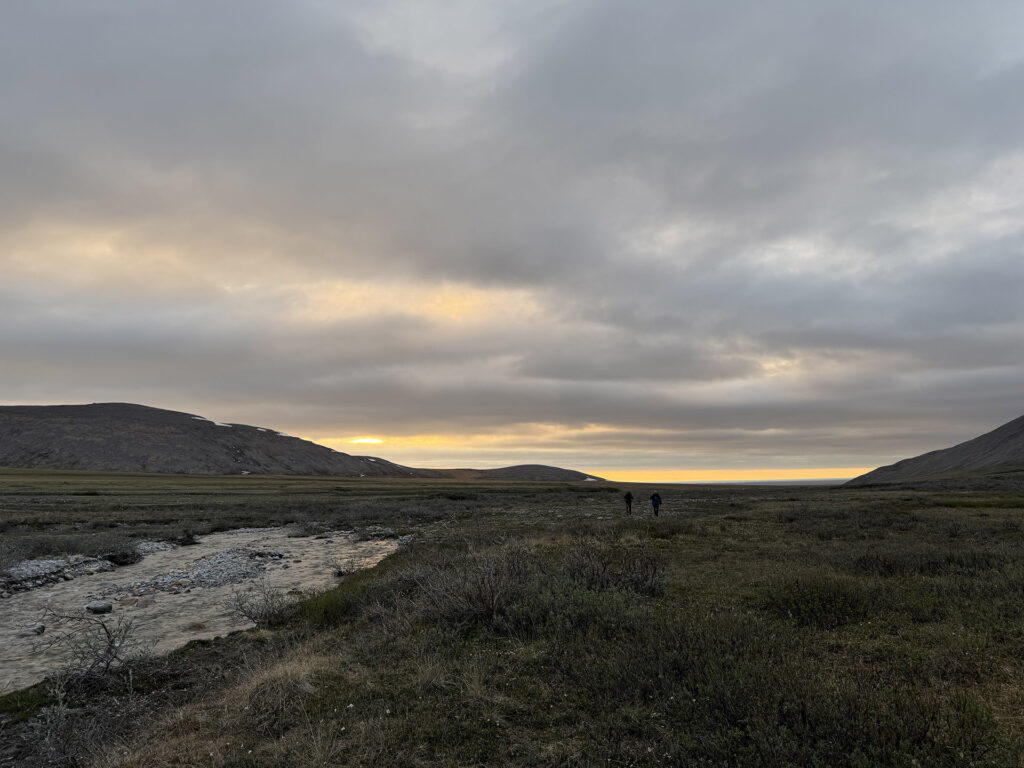
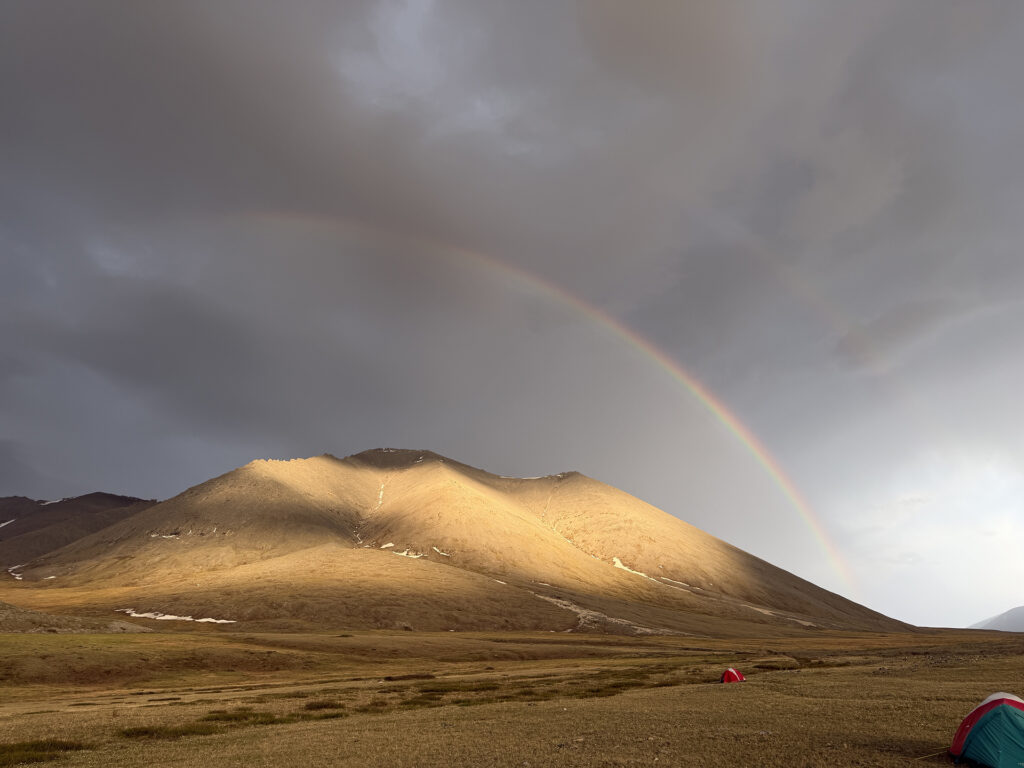
I am no stranger to new places, but my adventures had never taken me anywhere like the Arctic National Wildlife Refuge (ANWR) until a trip for faith leaders organized by the American Lands Project in June. There are few places left that are as extreme, remote, and vast. At over 19 million acres, ANWR is about the size of South Carolina and is located in the northeast corner of Alaska, bordering Canada and the Arctic Ocean.
For thousands of years, the region has been the home, hunting grounds, and trading space of the Gwich’in people who have stewarded this land. Although the Gwich’in ended their migratory traditions over the past 150 years, settling in several places across Alaska and Canada, including Arctic Village, they still maintain much of their subsistence culture and have a close relationship with the Porcupine Caribou Herd, a staple of their diet. They have been fighting to preserve their way of life and lands since colonization began in Alaska.
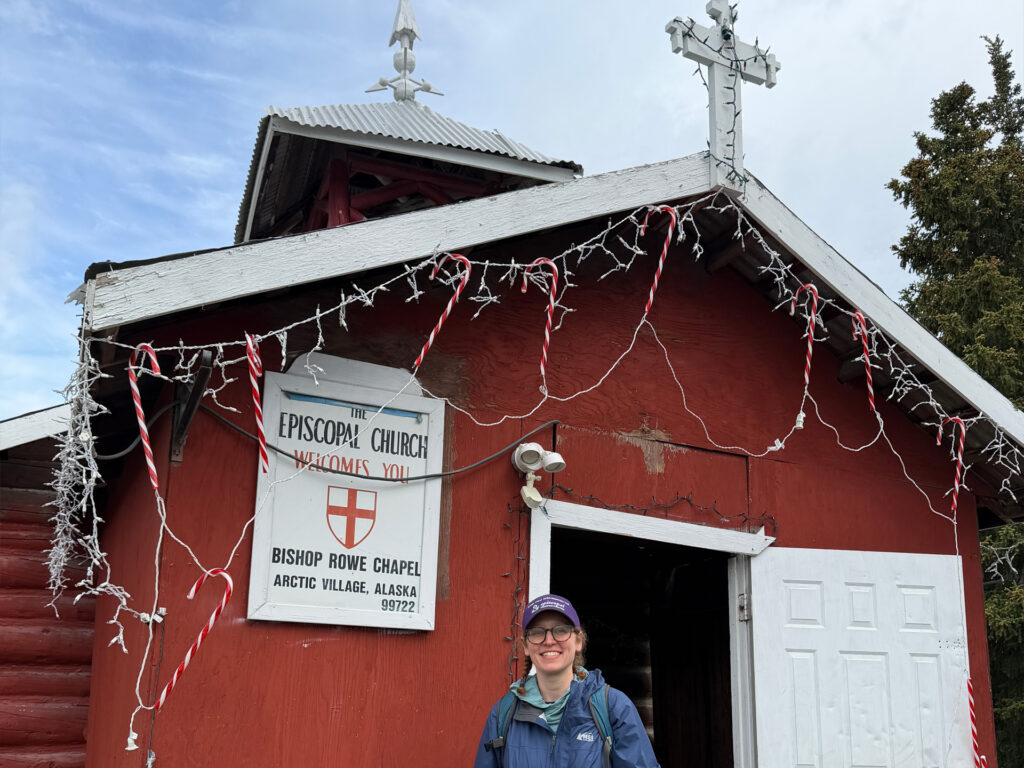
The Gwich’in are largely Episcopalians, and in Arctic Village they have a small church where they continue to worship in Gwich’in and English. In 1991, The Episcopal Church passed a resolution calling for the permanent protection of ANWR from all oil and gas development. The Gwich’in Steering Committee and Bishop Mark Lattime of the Episcopal Diocese of Alaska have continuously pushed to protect ANWR by educating colleagues, meeting with environmental champions, and even testifying before Congress.
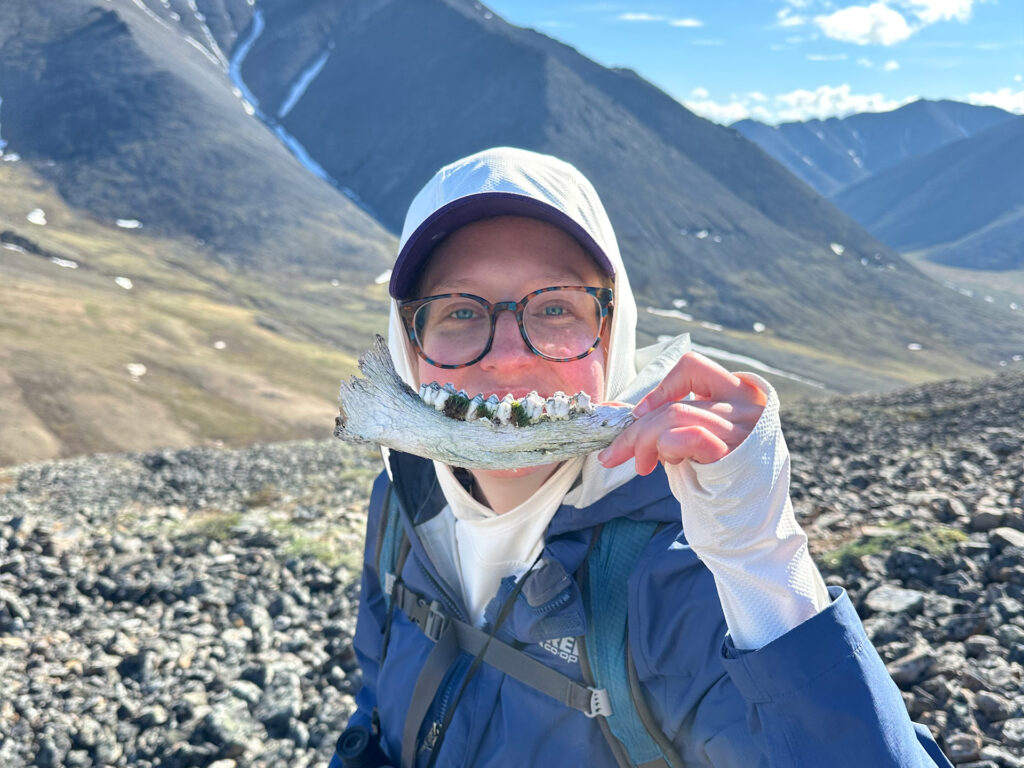
As part of my trip, I learned more about this region, rich with history and biodiversity. The connection between God, land, wildlife, and people is palpable. Seeing wildlife and meeting the people who call this place home underscored the importance of protecting ANWR and the valuable work of advocacy. Working to protect the refuge for the past four years in my role as a policy advisor with The Episcopal Church’s Office of Government Relations has been a great honor. This is just one example of the many ways our church works to pursue justice, defend Indigenous rights, and protect the environment.
This history made it particularly special to join a small ecumenical group of faith leaders who, from Fairbanks, hopped on a 12-seat plane to Arctic Village, followed by a six-seat plane directly onto a flat patch of tundra in the north of the Brooks Mountain Range, facing the North Pole, where we would camp for four nights, joining in worship, study, and reflection together.
“Why do you care about the Arctic Refuge?” was a guiding question from one of our ecumenical leaders. The variety of answers, from Indigenous rights to combating environmental degradation, reflects the fact that a multitude of motivations guide our advocacy. For me, I take my call to care for the environment seriously. I love animals, and to love them means loving their habitats. To love their habitats means protecting the rights of the people who steward their lands.
From our campsite, we had a view of the Coastal Plain, the most sought-after piece of land in the refuge for oil and gas development, where we kept an eye out for any wildlife that was willing to show itself to us. Two weeks before our trip, the first of four lease sales occurred there, auctioning off a small fraction of the available land. There were two bidders, and the sale brought in less than 1% of the revenue expected. This is not the first time the Coastal Plain has been auctioned off, though it remains undeveloped. The Coastal Plain is the Porcupine Caribou breeding grounds, the only place where the entire herd of 130,000 comes together in a single place.
We met with the chief of Arctic Village, along with one of their engineers who is helping improve their infrastructure. They showed us the village and shared their plans for future projects and the challenges they face as the climate continues to change and become more unpredictable. We were grateful to say a prayer in their Episcopal church, founded in 1861 when the Gwich’in people ended their migratory lifestyle and settled permanently in several villages across the region. The chief said goodbye by saying “peace be with you” in Gwich’in–their way of greeting, and a familiar expression to Episcopalians.
To succeed in advocacy often requires perseverance over many years, and protecting ANWR is no exception. Protecting the Arctic Refuge is attainable through a bill introduced in both chambers of Congress, and it’s not too late. While lease sales continue, they are not the same as development. I ask you to join me with a renewed sense of purpose to protect our wild places, including the Arctic National Wildlife Refuge.
– Susie Faria, policy advisor