Office of Government Relations
Photo: Adobe Stock
The Office of Government Relations—established in 1979—represents the policy priorities of The Episcopal Church to the U.S. government and supports civic engagement throughout the church. Our witness in the public square is guided by our desire to “seek and serve Christ in all persons.”
Our advocacy is structured around more than 700 official church policy positions from resolutions passed by the General Convention and Executive Council. Our work often focuses on climate and environment; racial reconciliation; poverty; migration; and human rights and peacebuilding. We aim to influence legislation on these issues, highlighting the voices of Episcopalians and Anglicans worldwide.
In discerning when and how to use our voices, we follow our “LEAPS” framework, which stands for litigation, education, advocacy, prayer, and service—and helps us focus our energy for effective witness and influence.
Through our Episcopal Public Policy Network, we work to educate and engage Episcopalians in the work of advocating for just government legislation and policies. Learn more through the links below about resources we offer and ways you can get involved in issue advocacy.
Advocacy resources
Find multiple guides to help individuals, small groups, and congregations in the work of social justice advocacy.

Action alerts
We regularly post action alerts on pressing legislation related to our policy areas, inviting Episcopalians to email their elected officials through a pre-populated form.
Election engagement
Visit this page to learn specific ways that you and your congregation can be involved in preparing for elections, as well as what The Episcopal Church has said about voting.
Upcoming Events
Issue areas
We organize our advocacy around these policy areas, identified by Episcopalians and affirmed in church resolutions by our governing bodies, the General Convention and Executive Council. Click the links below to learn how to take action in each area and what we’re working on specifically.
Climate and environment
Believing that God calls us to care for creation, The Episcopal Church supports policies that protect the natural resources that sustain all life on Earth.
Ending poverty
We advocate for policies that seek to eliminate poverty and help people live with dignity, in the U.S. and around the world.
Human rights and peacebuilding
The Episcopal Church supports legislation and policies that protect human rights and prevent atrocities, promote gender justice, and build peace.
Migration
As a church, we are committed to advocating for policies that honor every human being and that help keep people safe.
Racial reconciliation
We challenge policies that perpetuate systemic racism and injustice and strive to change legislation that harms communities of color.
Ongoing work
We advocate for policies and legislation that seek to prevent gun violence and that protect democracy and disability rights, among other topics.
Civil discourse curriculum
Available in multiple formats for individuals or groups, “Make Me An Instrument of Peace” is a five-part curriculum on how to engage in respectful conversations when faced with differing views or contentious debate.
Latest posts

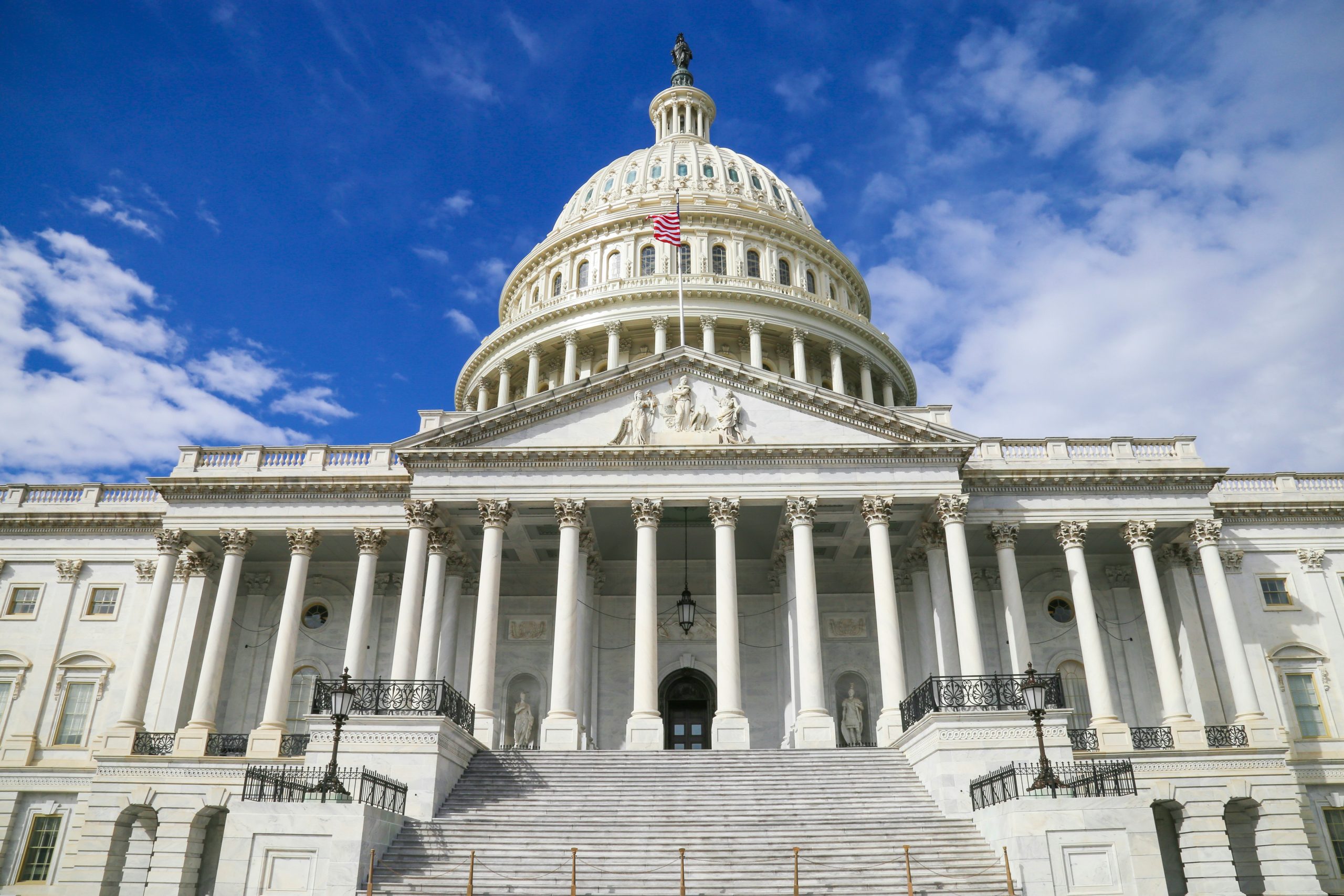
Interested in a Government Relations internship?
Consider applying to our office for an opportunity to build your skills and experience in faith-based advocacy, policy research and writing, and more.

Public Policy and Witness weekly prayers
Find new prayers each week for vulnerable communities facing challenges, threats, and harm.
Public Policy Resolutions of the 81st General Convention
In June 2024, the Episcopal Church convened for its 81st General Convention (GC81) in Louisville, Kentucky. The General Convention, which serves as the governing body of The Episcopal Church, passed over 50 resolutions that have direct implications for the church’s public policy advocacy to the United States government.
Contact the Office of Government Relations
Join weekly public policy network calls
1 p.m. ET on Thursdays.
Contact your elected officials on legislative issues
What is The Episcopal Church’s position?
Read about our church’s policy stances on a range of issues.