


Timeline of The Episcopal Church
For more information, visit or contact The Archives of The Episcopal Church.
1517
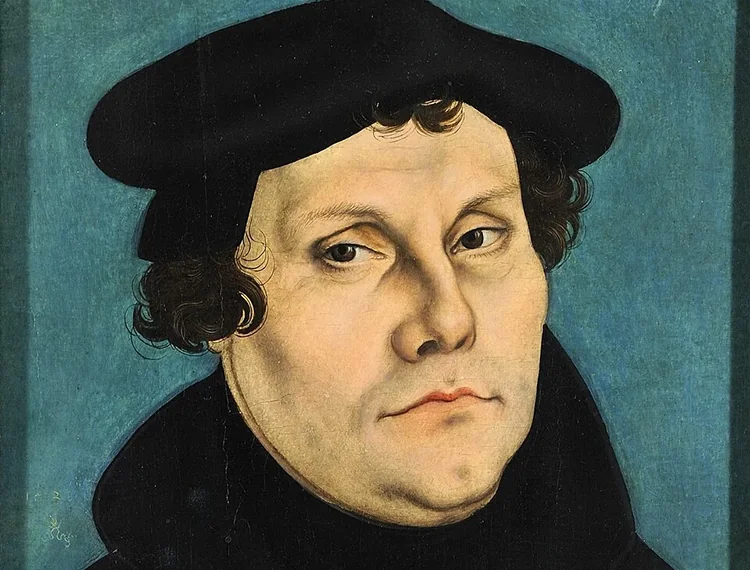
Martin Luther publishes 95 Theses, sparking the Protestant Reformation.
1521
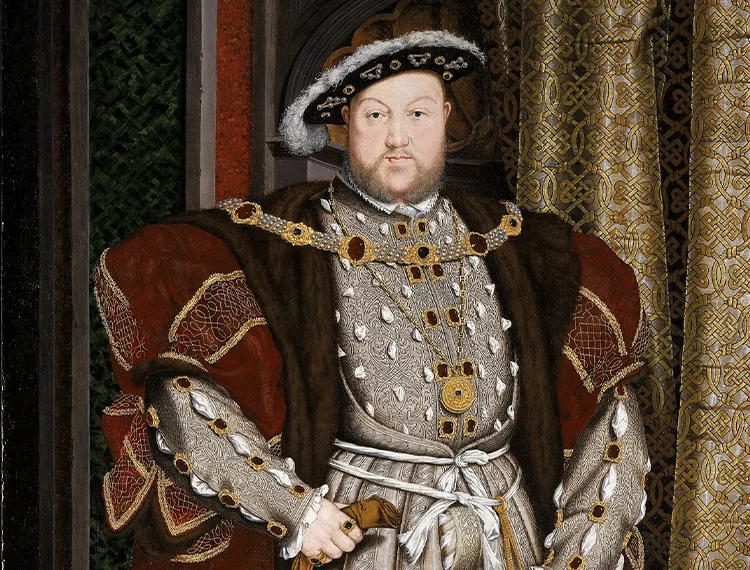
The pope designates Henry VIII ‘Defender of the Faith.’ English monarchs to this day retain the title.
1529–1536
Henry VIII and Parliament take over administration of the Church in England. Destruction of monasteries ensues.
1547
Henry VIII dies. He is succeeded by Edward VI, with Edward’s uncle as lord protector.
1549
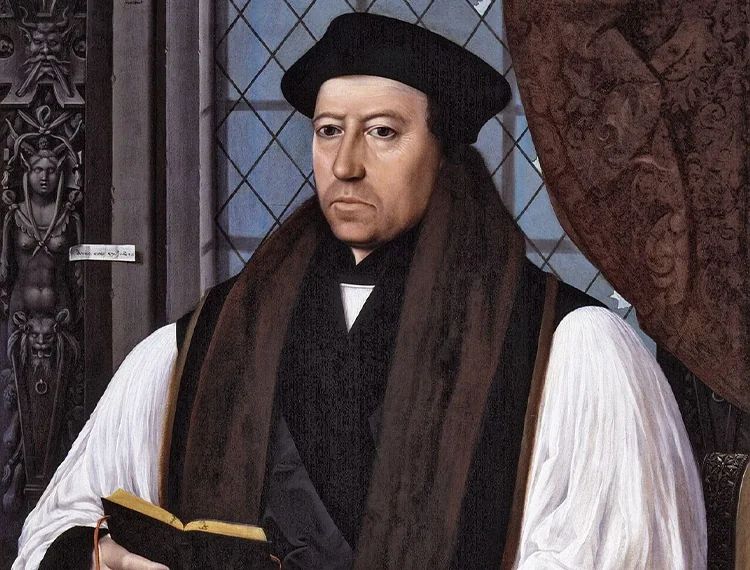
The first Book of Common Prayer is approved and was produced by Thomas Cranmer.
1552
The Second Book of Common Prayer is approved.
1553
Edward VI dies at age 16. Mary becomes queen, restores Roman Catholicism, and burns Cranmer, Latimer, and Ridley at the stake. She marries Philip II of Spain.
1558
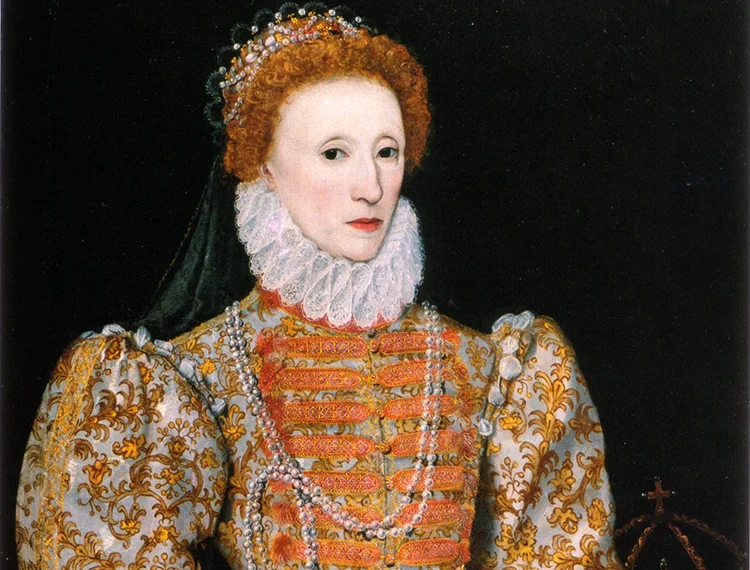
Elizabeth I becomes queen and reestablishes the Church of England, with the English monarch as its highest earthly authority.
1559
The third Book of Common Prayer is approved. Puritans protest.
1563
The Thirty-Nine Articles are prepared and approved by Parliament in 1571.
1579
The first English-language communion service is held in the Western Hemisphere (California) by Sir Francis Drake’s chaplain.
1603
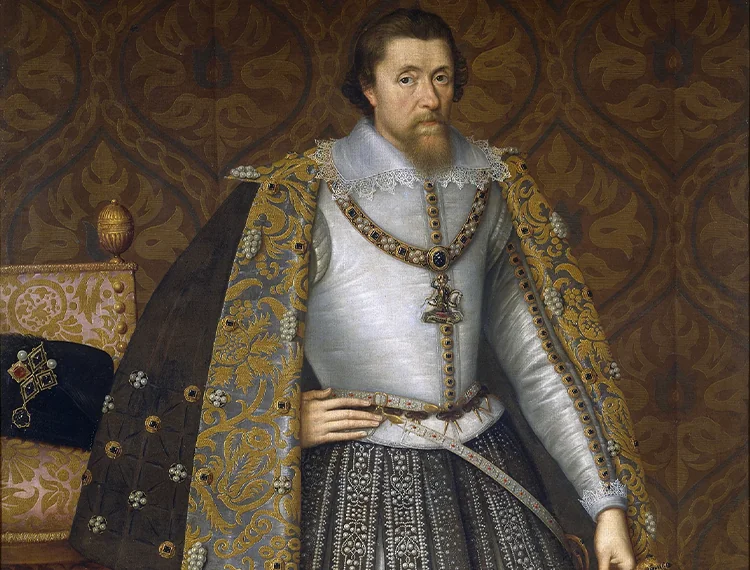
Elizabeth I dies; James I becomes king and authorizes a new Bible translation.
1607
The Church of England is established in Jamestown, Virginia, and later in other colonies.
1611
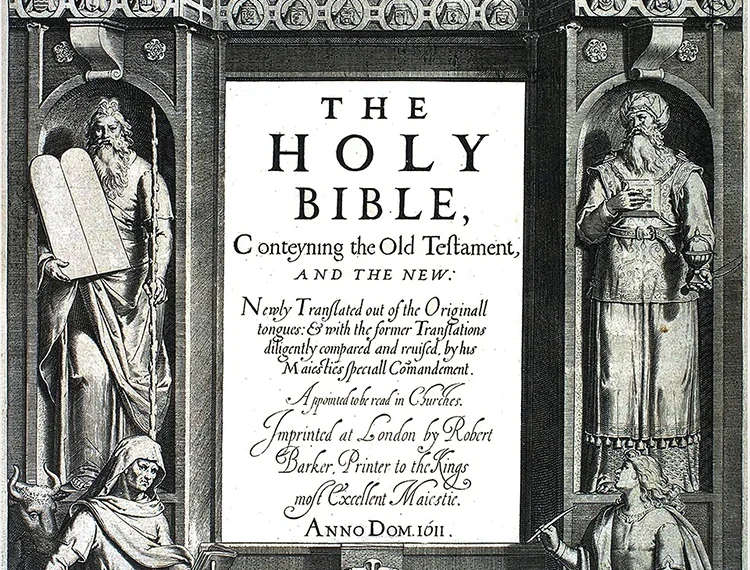
King James Version of the Bible is published.
1620
Pilgrims land at Plymouth Rock.
1645
The Book of Common Prayer is outlawed by Puritan-controlled parliament.
1649
King Charles I is executed during the English Civil War.
1658
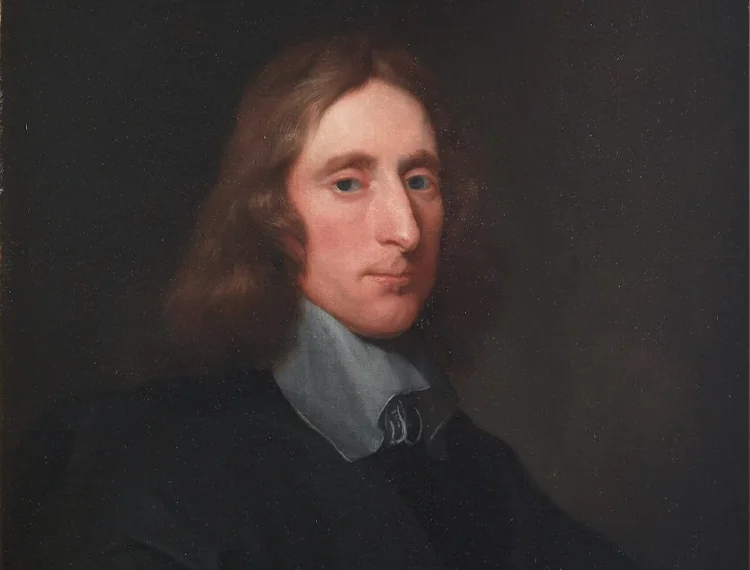
Oliver Cromwell dies; succeeded by his son Richard.
1660
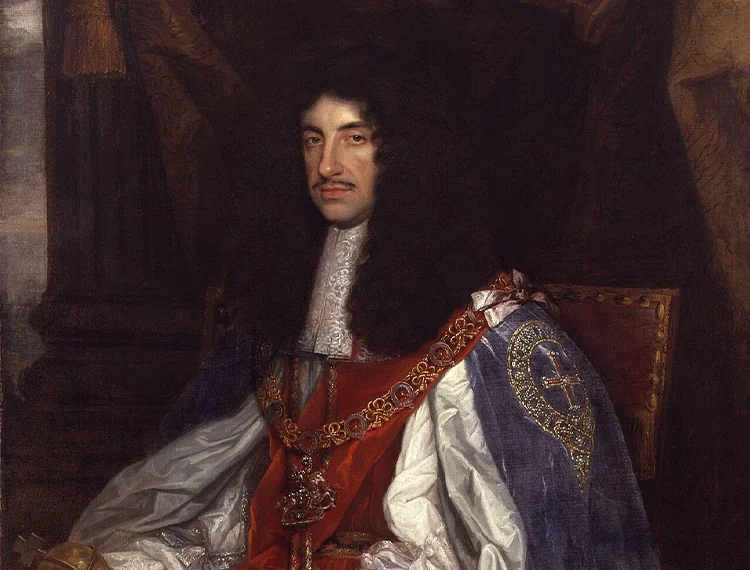
Charles II becomes king following the Restoration.
1662
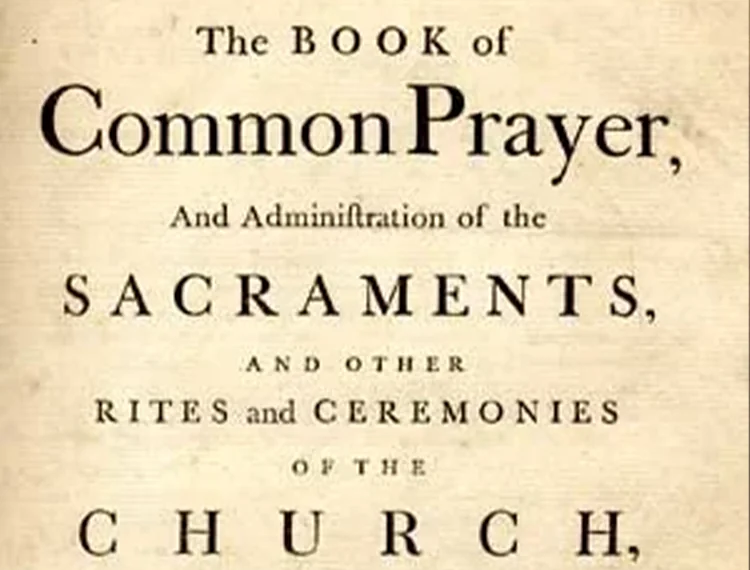
The fourth Book of Common Prayer is approved and remains in use in England.
1693
The College of William & Mary is founded by the Church of England.
1699
The Society for Promoting Christian Knowledge is founded.
1701
The Society for the Propagation of the Gospel is founded.
1607–1785
The Church of England in America is overseen by the bishop of London; vestry system develops. Clergy are paid from taxes. George Washington and Thomas Jefferson serve on vestries.
1776
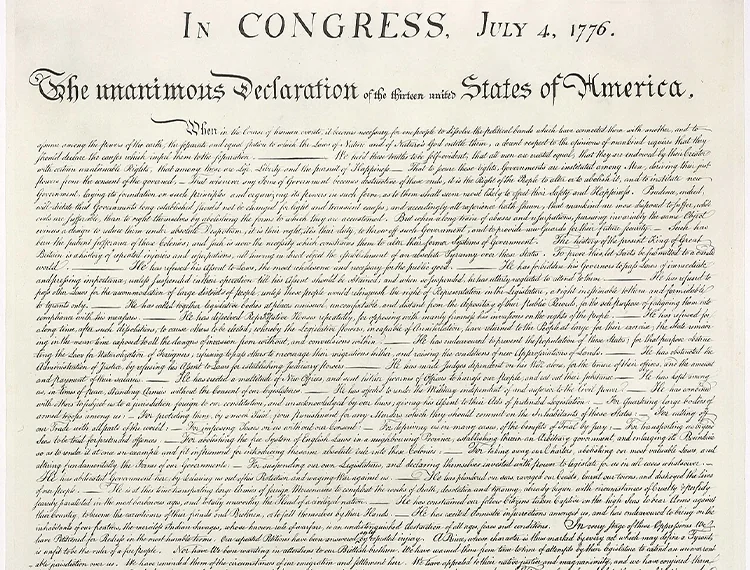
The Declaration of Independence is signed. Most Anglican clergy are loyal to the British crown and leave the United States for Canada and England.
1783
Treaty of Paris officially ends the American Revolutionary War.
1784
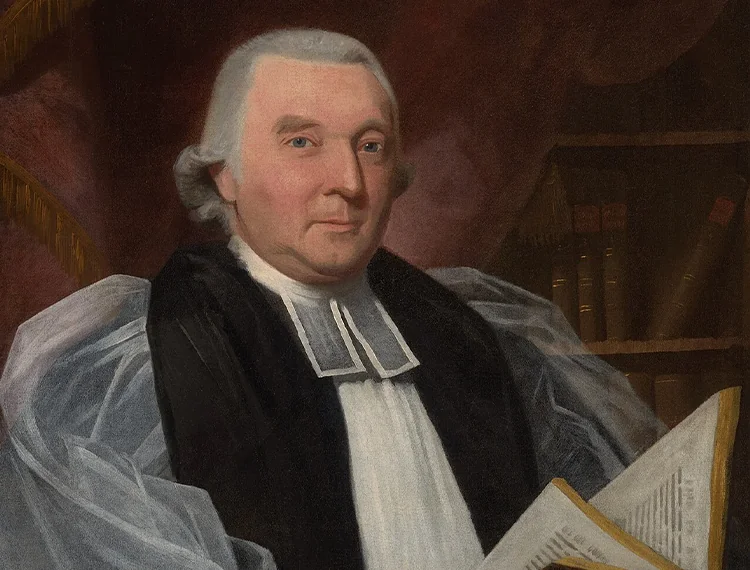
Samuel Seabury is consecrated the first Anglican bishop for America. When the Church of England required him to take an oath of loyalty as a condition of being consecrated bishop, Seabury declined and instead was consecrated by bishops in the Church of Scotland.
1785
The first General Convention of The Episcopal Church is held with clergy and lay representatives from Delaware, New York, New Jersey, Pennsylvania, South Carolina, and Virginia.
1786
Proposed American Book of Common Prayer approved for use on a state-by-state basis.
1787
Samuel Provoost and William White are consecrated bishops by the Church of England.
1789
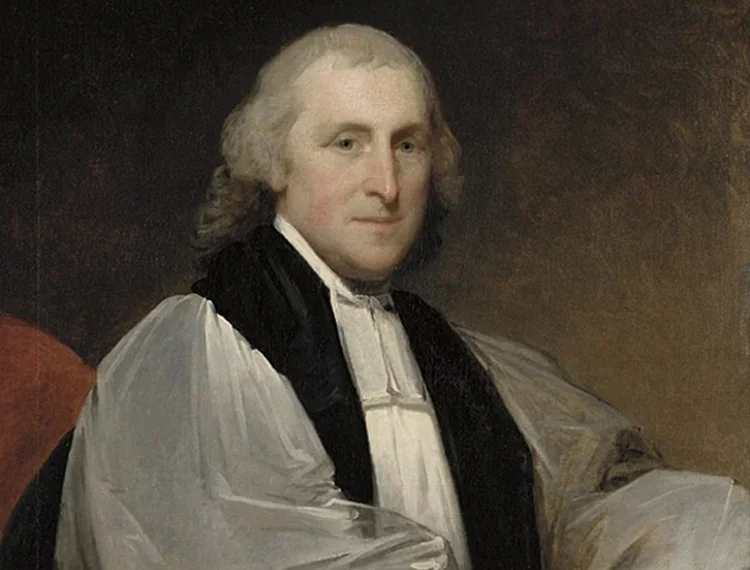
William White becomes the first presiding bishop by virtue of geographic rotation.
1795
William White becomes presiding bishop by seniority and serves in that position for more than 40 years.
1800
After the departures of clergy and lay Anglicans, there are only about 10,000 Episcopalians left in the United States.
1804
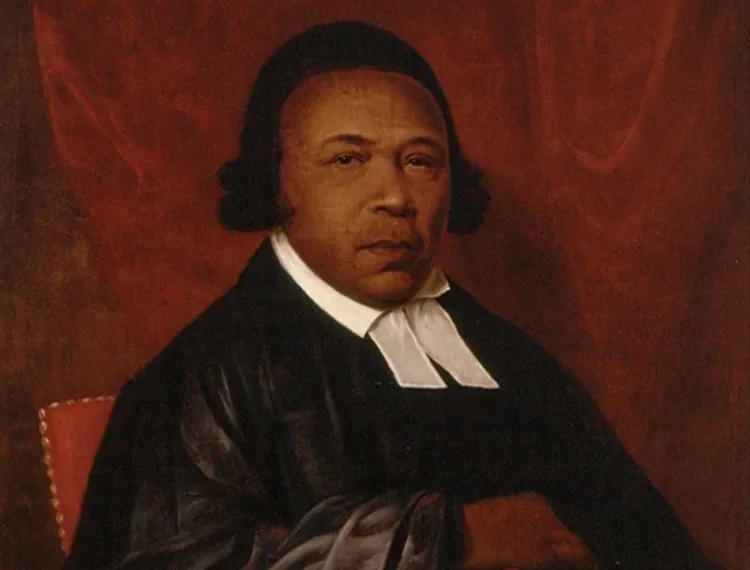
Absalom Jones is ordained the first Black priest of The Episcopal Church.
1817
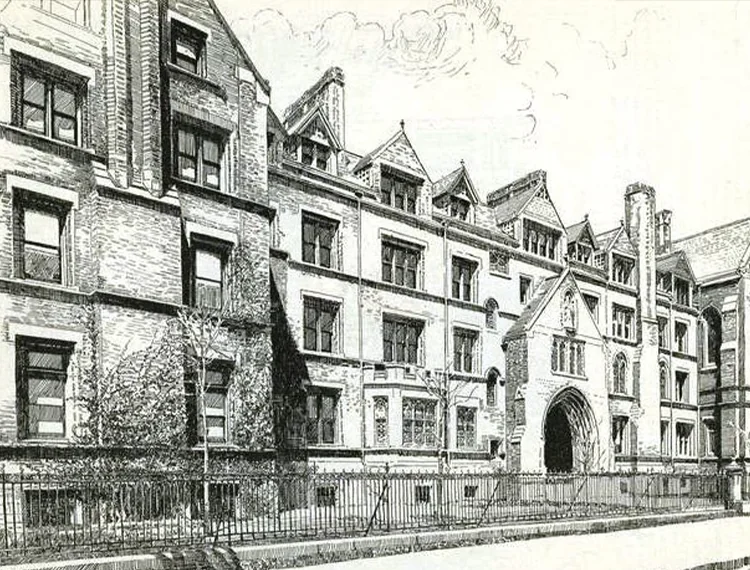
General Theological Seminary is founded in New York City.
1823
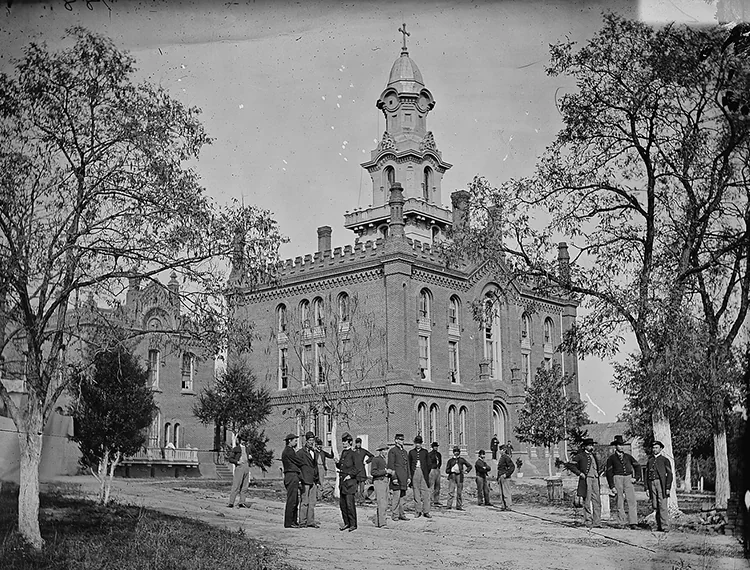
Virginia Theological Seminary is established.
1839
Episcopal High School is founded in Virginia.
1861
During the Civil War, 11 dioceses leave The Episcopal Church and form the Episcopal Church of the Confederate States of America, a pro-slavery denomination.
1865
After the Civil War ends, the Confederate dioceses return to The Episcopal Church, which proves to be a fraught endeavor.
1885
The House of Bishops adopts the Chicago Quadrilateral, and General Convention approves it in 1886.
1888
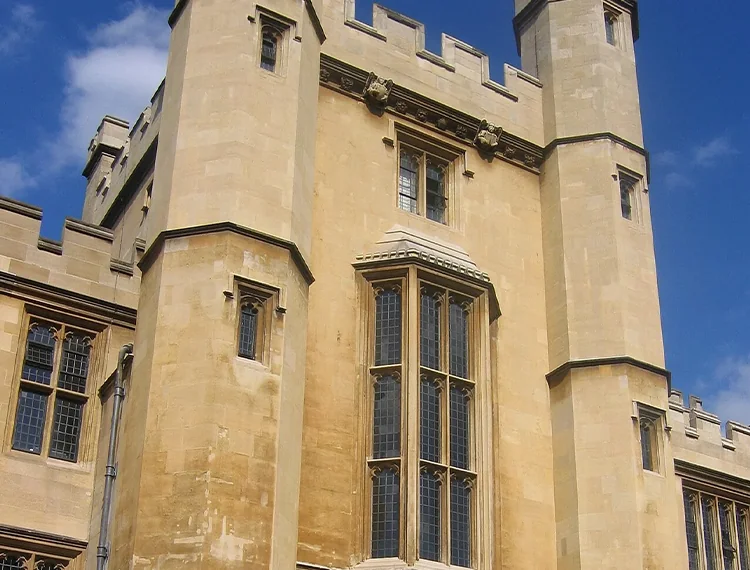
The Lambeth Conference adopts the Chicago-Lambeth Quadrilateral, which sets forth the Anglican essentials for a reunited Christian church on the topics of Scripture, creeds, sacraments, and the historic episcopate.
1892
Minor revisions made to the Book of Common Prayer.
1919
General Convention establishes the National Council (now Executive Council) and the Office of the Presiding Bishop as an elected position to oversee national church programs.
1925
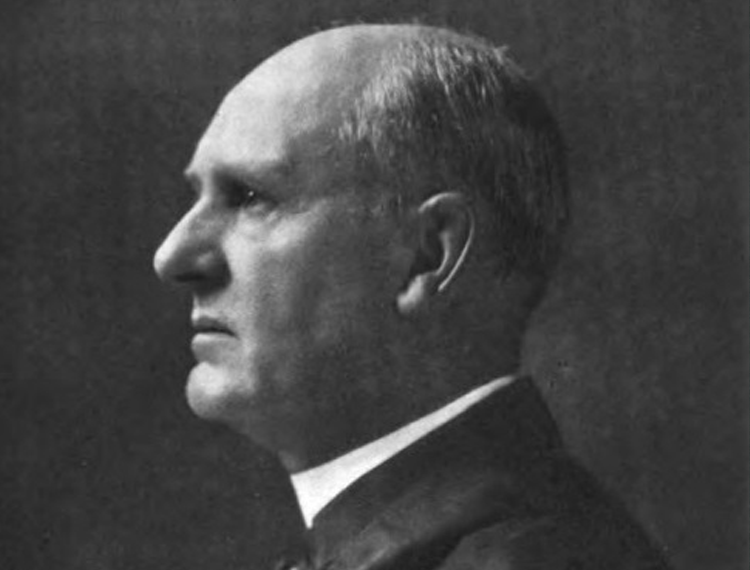
John Gardner Murray becomes the first elected presiding bishop.
1928
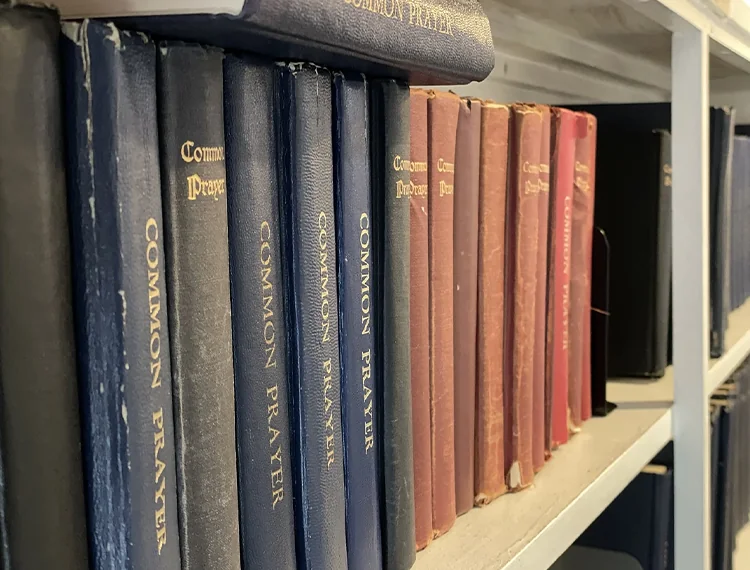
Revised Book of Common Prayer approved.
Photo: Wikipedia User:Pbritti
1940
A new hymnal is approved.
1944
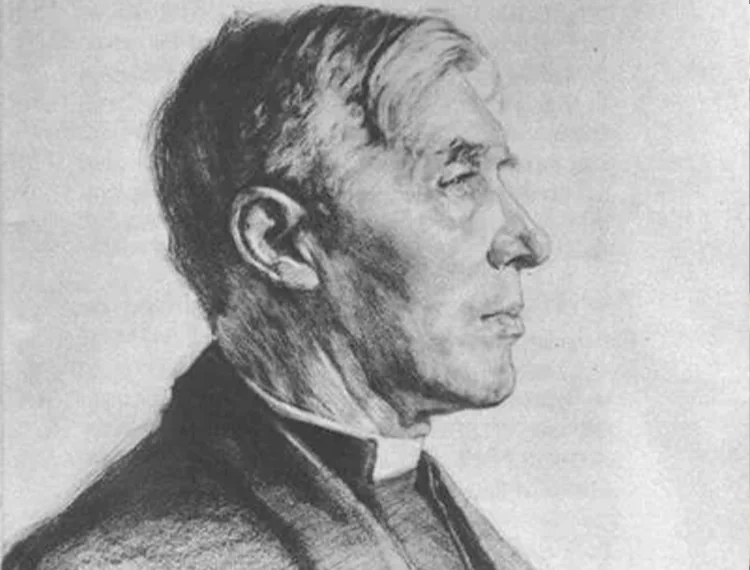
The presiding bishop role becomes full-time, and Henry St. George Tucker becomes the first in the role to resign his jurisdiction.
1946
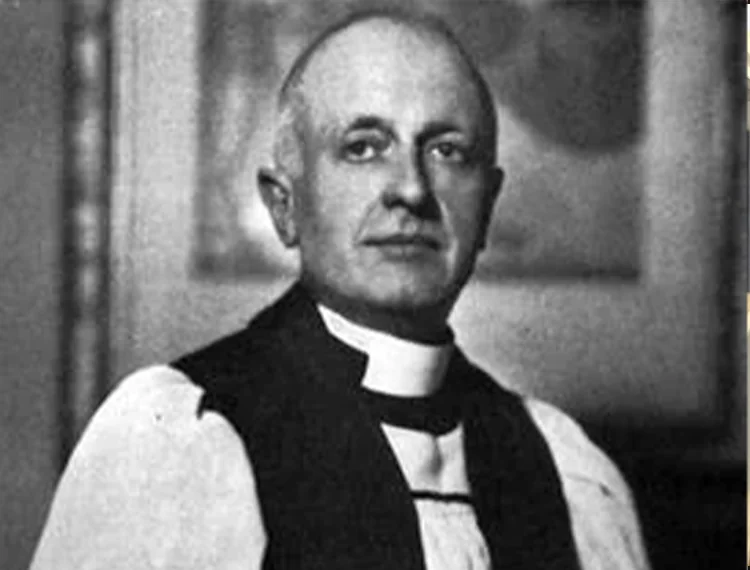
Henry Knox Sherill becomes the first presiding bishop elevated to the role who doesn’t simultaneously hold the role of diocesan bishop.
1961
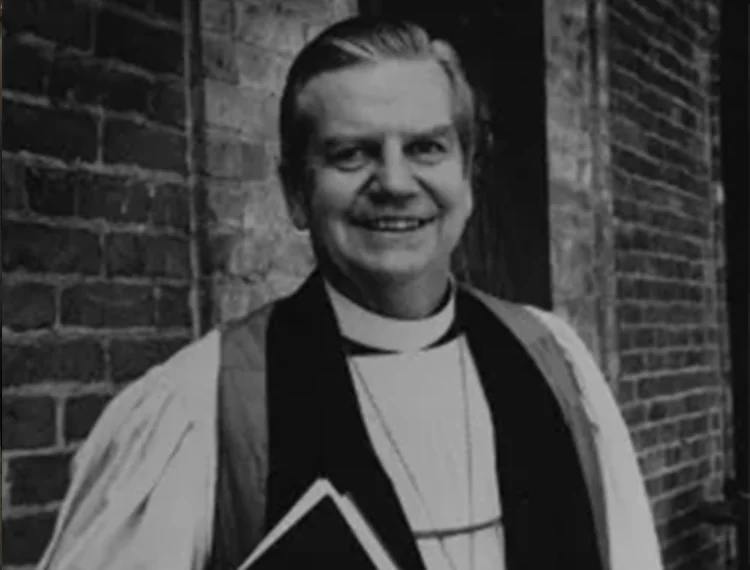
John Hines elected presiding bishop.
1970
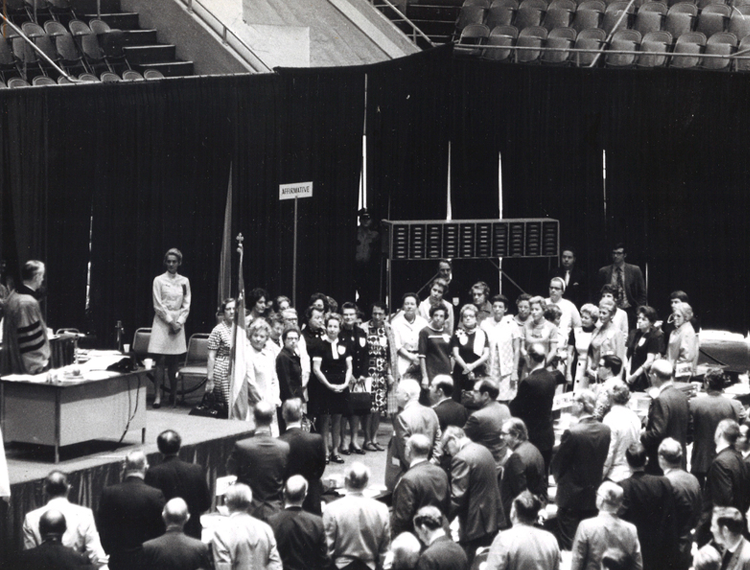
1974
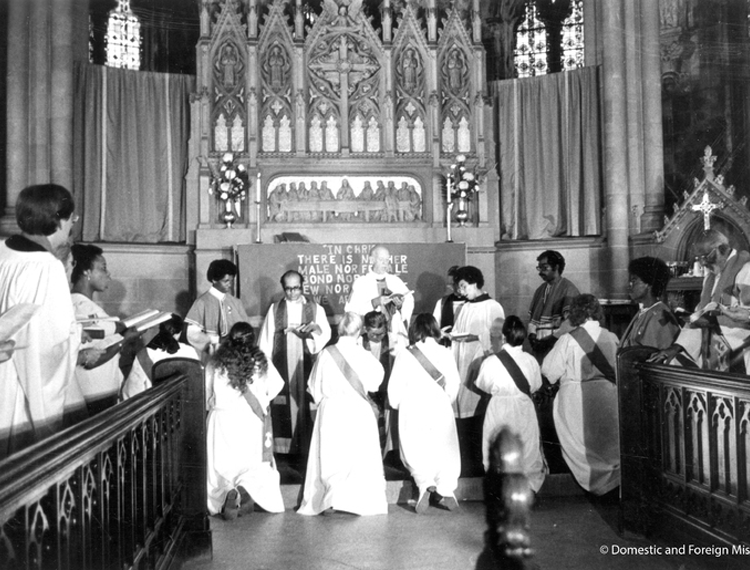
The “Philadelphia 11” become the first women ordained as Episcopal priests. These ordinations are regarded by some as irregular because the church had not yet approved a pathway for women to become priests.
1976
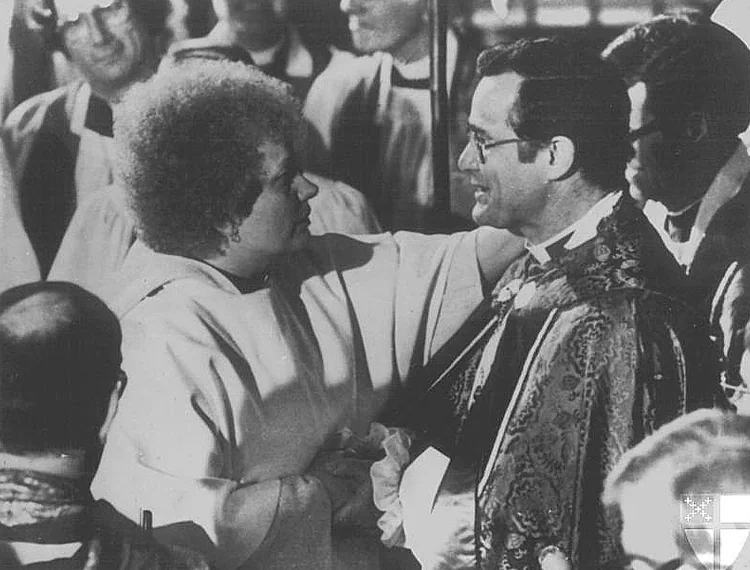
General Convention approves ordination of women.
Photo: Wide World Photos/via Episcopal Archives
1977
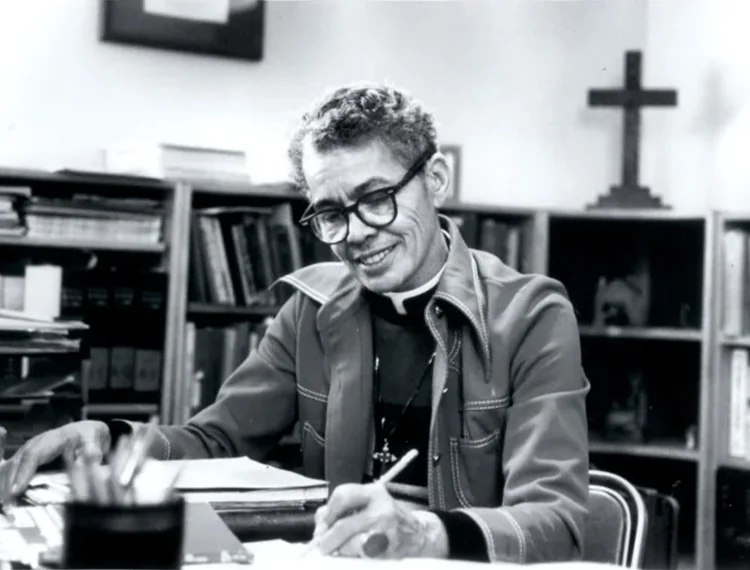
Renowned legal scholar and activist Pauli Murray becomes the first Black woman ordained an Episcopal priest.
Photo:
Carolina Digital Library and Archives – UNC University Library
1979
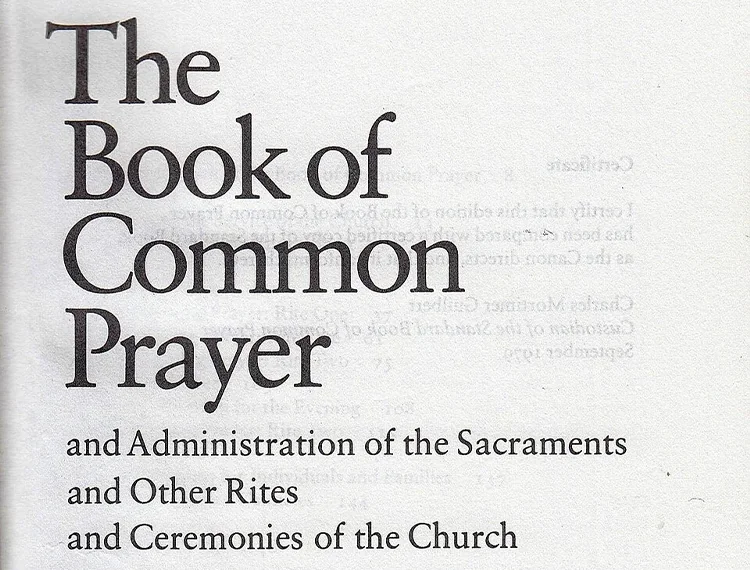
Current Book of Common Prayer is authorized, which gives greater place to the laity and emphasizes the importance of the Eucharist as the heart of worship.
1989
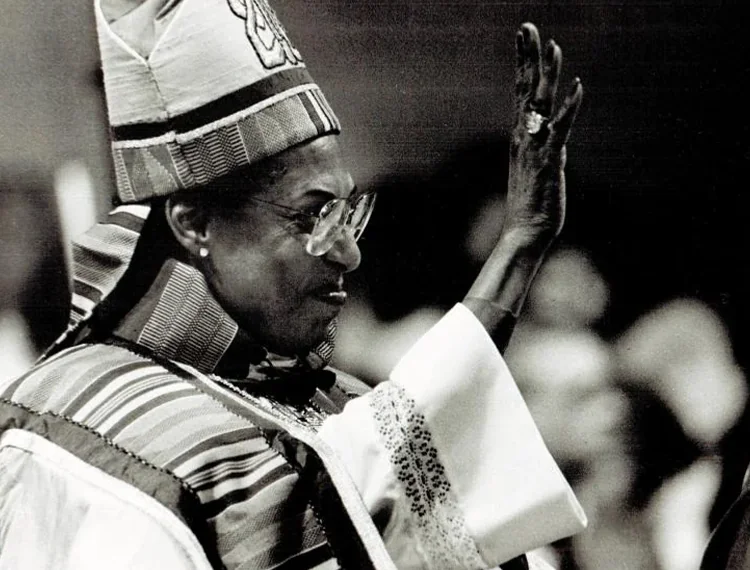
Barbara Harris is consecrated the first woman ordained bishop in The Episcopal Church and in the Anglican Communion. She is also the first Black woman to occupy those roles.
Photo: David Zadig, Episcopal Diocese of Massachusetts
1991
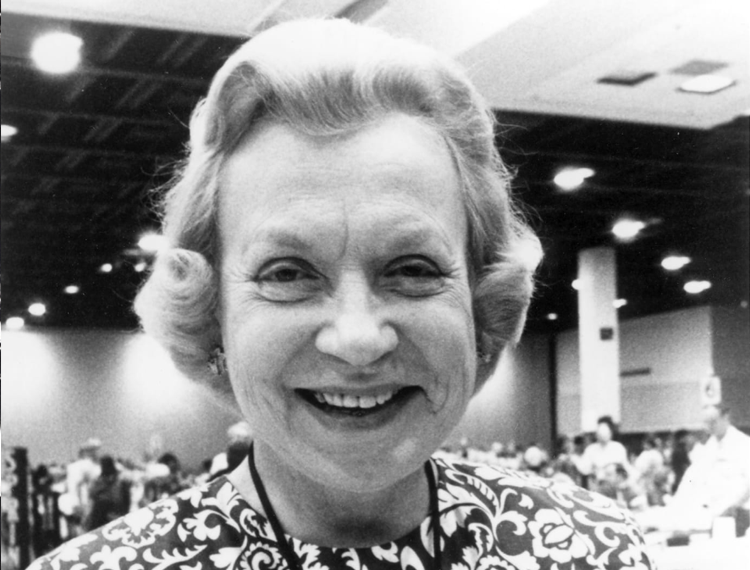
Pamela Chinnis elected; becomes the first woman to serve as president of the House of Deputies.
1997
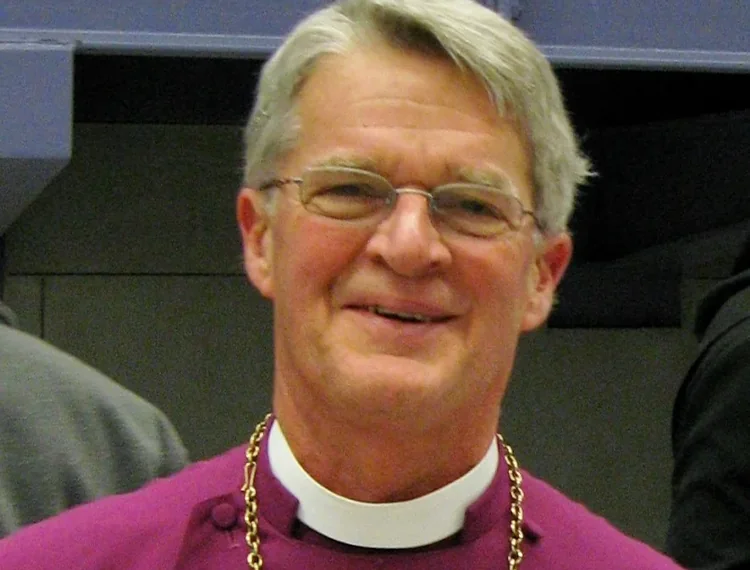
Frank Griswold elected presiding bishop.
2000
Full communion established with the Evangelical Lutheran Church in America.
2003
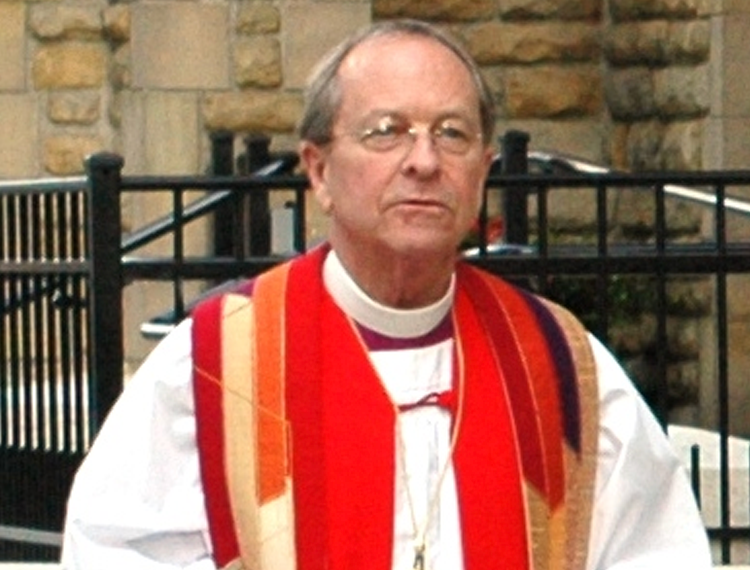
Election of Gene Robinson approved at General Convention, leading to him becoming the first openly gay bishop of The Episcopal Church. Presiding Bishop Frank Griswold consecrates Bishop Robinson in November.
2006
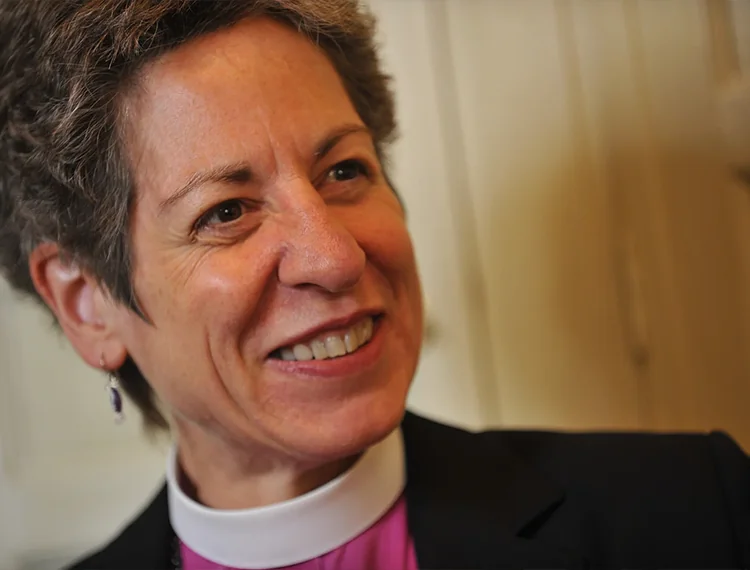
Katharine Jefferts Schori is elected presiding bishop and becomes the first woman to hold the role.
2009
Development of same-sex blessing resources authorized.
2012
Trial-use liturgy for same-sex blessings approved.
2012
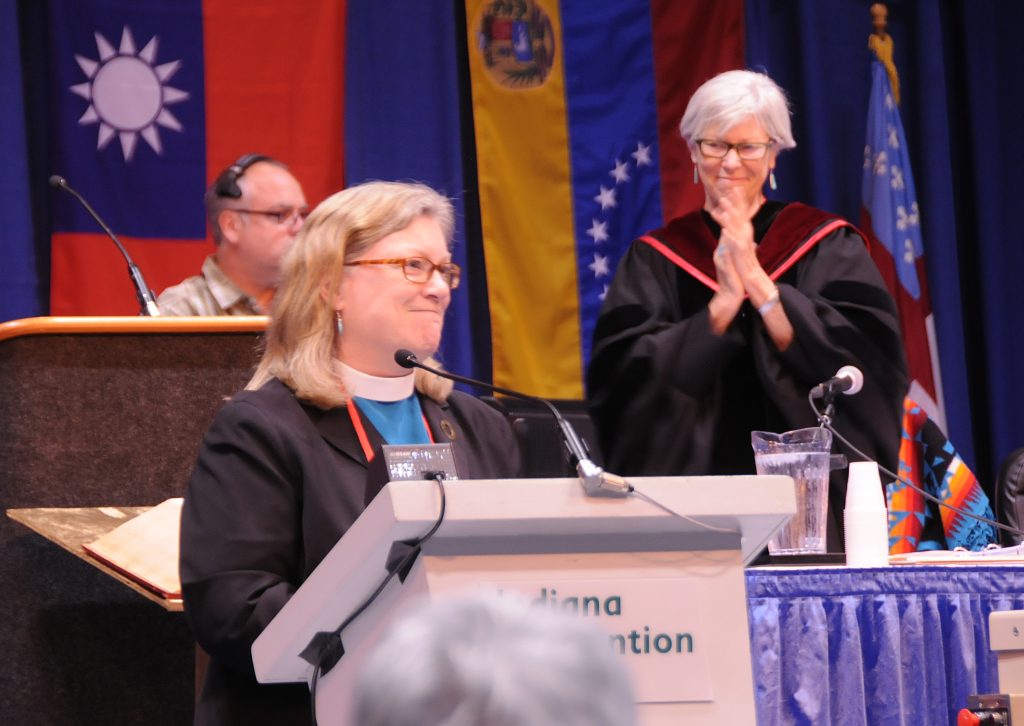
Gay Clark Jennings elected president of the House of Deputies; becomes first ordained woman to hold the office.
2015
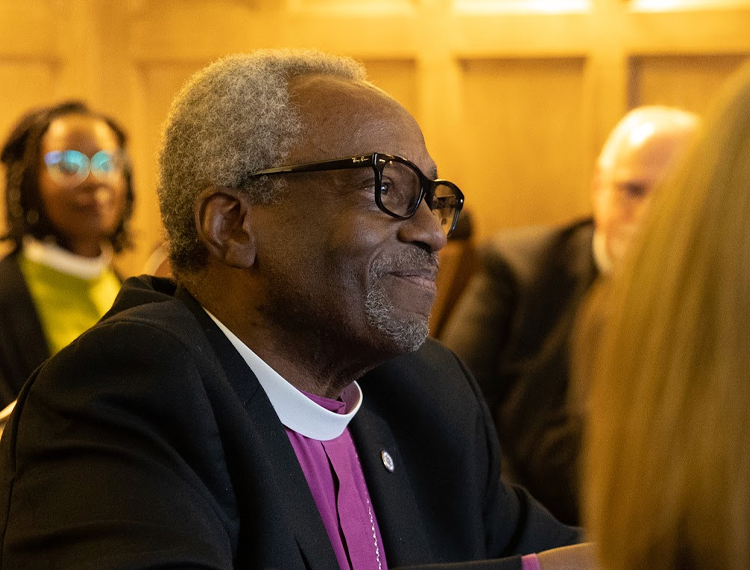
Michael Bruce Curry is elected presiding bishop of The Episcopal Church, becoming the first Black person to hold the role.
2022
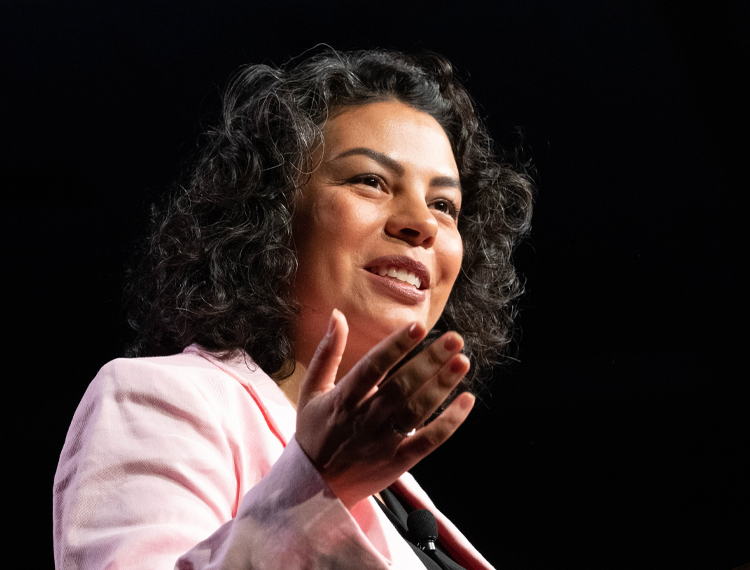
Julia Ayala Harris is elected president of the House of Deputies, becoming the first Latina to hold the role.
2023
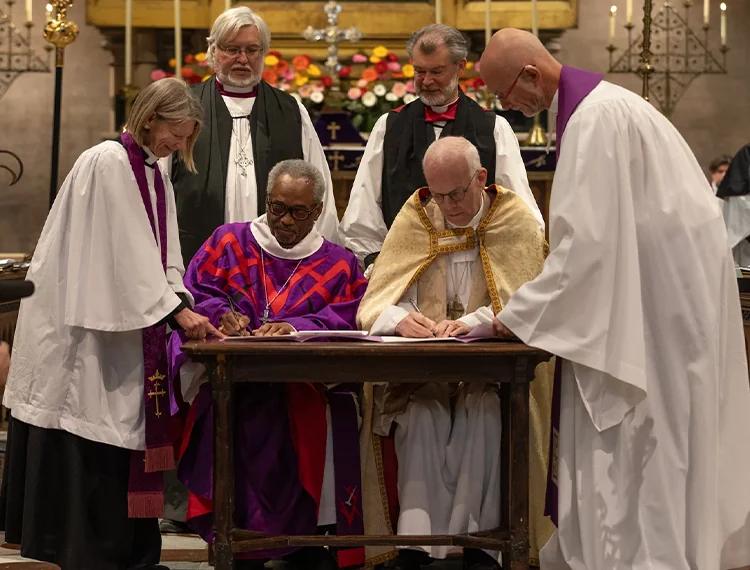
Full-communion agreement signed with the Church of Sweden.
2024
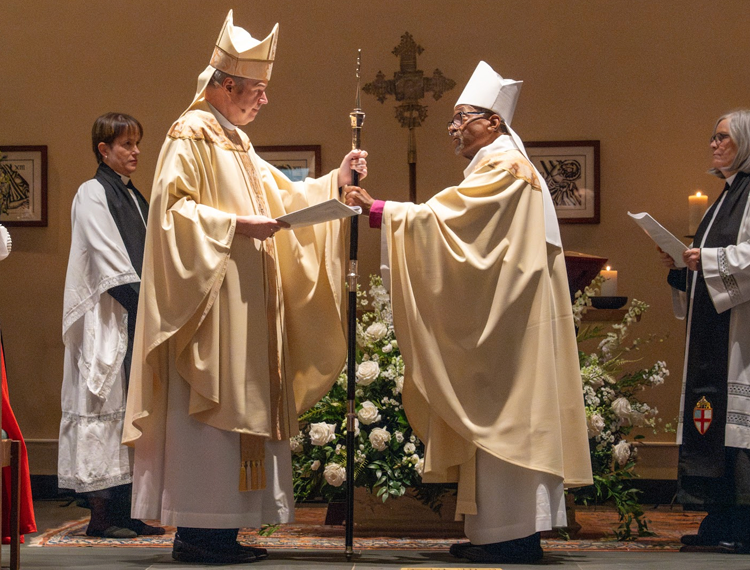
Sean W. Rowe installed as 28th presiding bishop.


#/media/File:Copies_of_the_1928_U.S._Book_of_Common_Prayer.jpg)